
Solar PV Maintenance Checklist: Preventing System Downtime
Today's solar photovoltaic (PV) systems are designed for a long service life of approximately 25 to 30 years. Performing routine maintenance helps ensure solar PV systems last for decades while meeting energy targets. Even minor issues such as loose electrical connections and dirt buildup can affect system performance and reduce effectiveness. These problems can all be detected during routine inspections.
If you're working to become a trained solar technician, part of your job will be to perform maintenance and prevent system downtime. This is what you need to know.
Key Takeaways
- Solar panels require routine maintenance to maximize energy production and reduce system downtime.
- Solar PV systems need regular inspections and service to identify issues. During these inspections, solar technicians perform routine maintenance.
- Solar technicians are taught safe, effective monitoring and troubleshooting techniques through Solar Technician Training and on-the-job training.
Why Preventive Maintenance Matters
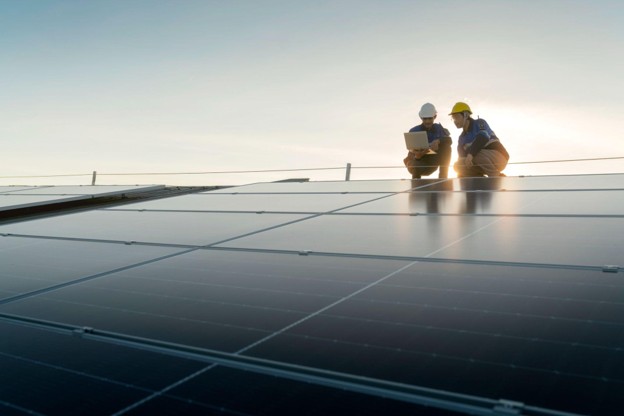
Just like a car, solar PV systems require preventative maintenance to run efficiently and without fault. Preventive maintenance helps catch problems before they become serious and can reduce downtime by allowing repairs before a system breaks down. This reduces the rate of unexpected equipment failures, maximizes energy production, and can help extend the system's service life. Many solar PV system owners also find that performing preventative maintenance and making small repairs as needed is less costly than waiting for the system to break.
Solar Panel Inspection Checklist
While solar panel inspection checklists can vary from one system to the next, here is a simple list of what to inspect and repair during every solar PV system inspection.
- Inspect panels, wiring, and components for damage; recommend repairs
- Inspect for dirt accumulation and clean panels
- Examine mounting hardware for damage and replace if needed
- Inspect for shading from new structures, address as needed
- Check for discoloration or hot spots
Checklist Item 1: Clean the Solar Panels
Dirt accumulation reduces solar panel efficiency. Dirt, pollen, bird droppings, and other debris accumulate on solar panels in small amounts each day, so solar systems usually need cleaning each time they're inspected. Avoid using abrasive materials and harsh chemicals when cleaning solar panels. Whenever possible, follow manufacturer recommendations for cleaning. If you're working on a roof, use fall protection equipment and safety best practices to avoid accidents and injuries.
Checklist Item 2: Check Wiring and Electrical Connection
Check all electrical connections for loose wiring and tighten as needed. Inspect DC and AC wiring for damaged insulation, corrosion, and other issues, and make repairs or replacements as needed.
Checklist Item 3: Monitor the Inverter, Perform Maintenance
Inspect the inverter and check for warning or fault codes. If your inverter does list faults or warnings, perform a diagnostic and make repairs as needed.
Check energy production trends and review for patterns or problems. Many inverters have a display that you can check, but will store data in an app where you can see long-term trends. Review the long-term data to watch for signs of problems over time.
Clean the inverter's cooling fans and look for any firmware updates. Check the conditions around the inverter, including temperature and humidity, to ensure the conditions are acceptable for inverter performance.
Checklist Item 4: Test Overall System Performance
Compare the current output of the overall solar PV system with the expected production. Check the system monitoring software and use the data provided to detect any problems the system may have developed over time. Watch for problems like reduced energy production.
Checklist Item 5: Inspect for Shading
Even small shaded areas can make a big impact on the performance of a solar PV system. Solar technicians put a lot of thought into choosing the best location when installing solar panels, but conditions in the environment can change over time. A new flagpole installation, a new building, a recently planted tree — all of these landscape features can impact energy production if shade is cast on solar panels. If new shade is detected, the solar technician must determine next steps to ensure optimal efficiency.
Checklist Item 6: Check for Hot Spots
Hot spots are areas of localized heating that can do permanent damage to a solar PV system. Hot spots develop when electricity can no longer flow properly through a section of a solar panel. The excess energy is turned into heat instead of electricity. Inspect each panel for hot spots and address them quickly: hot spots can be a safety hazard, requiring fast repair.
Checklist Item 7: Examine Mounting Hardware
Mounting hardware helps keep solar panels in place. Check mounting hardware for corrosion, tighten screws and connections as needed, and replace hardware if necessary.
Skills Every Solar Technician Should Develop
Every solar technician needs a specialized set of skills to do their job. If you're a solar technician or going through Solar Technician Training, focus on learning the fundamentals of solar PV system operation, how to read wiring diagrams, and how to perform preventative maintenance procedures. Learn the troubleshooting techniques that work for most solar PV systems, and how to follow safety protocols when working on solar panels at all heights.
Build the Skills to Maintain Solar PV Systems
Preventative maintenance is important for ensuring reliable solar energy production. If you want to be a solar technician, you'll need to learn solar installation techniques, best practices for maintaining systems, and the fundamentals of electricity.
Grow your career as a solar technician with the Solar Technician Training program at George Brown Polytechnic. We teach solar technicians the real-world skills they need to install and maintain solar panels. To learn more about the George Brown Polytechnic’s Solar Technician Training Program, call a Program Coordinator at 1-888-553-5333 or contact us by email at [email protected].